


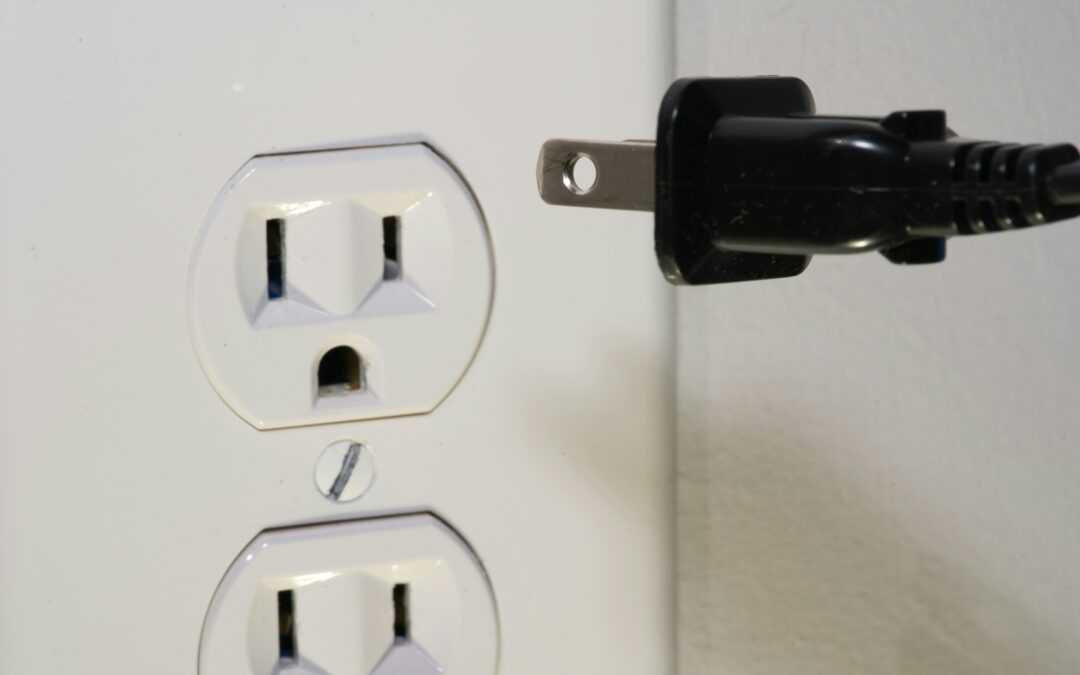
Outlets are a vital part of modern life, keeping our devices charged and our homes powered. But when an outlet stops working, it can throw a wrench into your day. If you’ve ever found yourself plugging in a device only to realize nothing happens, you’re definitely not alone. In today’s guide, we’ll break down some of the most common reasons your outlet stopped working and what steps to take next.
And remember, if you’re located in Southeastern Kansas, feel free to reach out to the experts at KJ Electrical for assistance!
Why Did My Outlet Stop Working?
Tripped Circuit Breaker
One of the most common reasons an outlet stops working is a tripped circuit breaker. If too much power is drawn on a circuit, the breaker shuts off to prevent overheating or damage. Check your breaker panel for a tripped switch — if you find one, reset it to see if power is restored.
GFCI Outlet Triggered
Ground Fault Circuit Interrupter (GFCI) outlets are designed to cut power if there’s an imbalance, protecting you against electric shock. These are often found in kitchens, bathrooms, and outdoor areas. If a GFCI outlet is tripped, press the “Reset” button to restore power.
Loose or Damaged Wiring
Over time, wiring behind your outlets can become loose or damaged, especially in older buildings. That can cause an outlet to stop functioning entirely. If you suspect faulty wiring, it’s best to call a licensed electrician to inspect and repair the issue.
Worn-Out Outlet
Like just about anything in your home, outlets won’t last forever. Heavy use over many years can cause internal components to wear out, resulting in a non-functional outlet. If this is the case, the outlet will likely need to be replaced by a professional.
Overloaded Outlet
Plugging too many devices into one circuit can overload it, causing the outlet to stop working. If you think this may be the issue, try unplugging some devices from the outlet (and nearby outlets) to see if that restores power.
What to Do After Your Outlet Stops Working
If your outlet stopped working, here are the steps you should take to remedy the situation:
- Check Other Outlets – Test other outlets in the same room to determine if the issue is isolated or part of a larger electrical problem.
- Inspect the Breaker Panel – Look for a tripped breaker and reset it if necessary. If it trips again, you may have an overload or short circuit that needs professional attention.
- Examine GFCI Outlets – Press the “Test” and “reset” buttons on any nearby GFCI outlets to see if they restore power.
- Call a Professional – If the issue persists, don’t try to fix it yourself. Electrical problems can be dangerous, and a professional electrician can quickly identify and resolve the problem.
Outlet Stopped Working? Call KJ Electrical
Are you struggling to figure out why your outlet stopped working? Do you need to restore power to the outlet as quickly as possible? Finally, are you located in Southeastern Kansas? If so, KJ Electrical is the solution. Reach out to our team today to learn more about our services. You can find us on the web and check our our Google My Business too!
Frequently Asked Questions
What’s the difference between a regular outlet and a GFCI outlet?
A GFCI (Ground Fault Circuit Interrupter) outlet is designed to protect against electrical shock by cutting off power when it detects an imbalance in current. It’s commonly installed in areas with higher moisture levels like kitchens, bathrooms, and outdoor spaces.
How do I know if my outlet is overloaded?
Signs of an overloaded outlet include warm or discolored wall plates, flickering lights, buzzing sounds, or frequent breaker trips. Avoid using multiple high-power devices in the same outlet or power strip.
Can a single outlet go bad without affecting others?
Yes. Outlets can wear out or become damaged due to age, use, or wiring issues. A single outlet failure doesn’t always indicate a problem with the entire circuit.
Is it safe to keep using an outlet that’s working intermittently?
No. An outlet that works inconsistently could signal a loose wire or failing internal components, both of which are potential fire hazards. It’s best to have it inspected by a licensed electrician.
Why did resetting the breaker not restore power to the outlet?
If resetting the breaker doesn’t work, there could be a deeper issue such as a wiring fault, a tripped GFCI outlet elsewhere on the circuit, or a damaged outlet that needs replacement.
How long do electrical outlets typically last?
Most outlets last 15–25 years, but heavy use or poor wiring can shorten that lifespan. If your outlets are discolored, cracked, or loose, it’s time for an upgrade.
Can I replace a non-working outlet myself?
Unless you’re experienced with electrical systems, it’s not recommended. Replacing an outlet involves turning off the correct breaker, understanding the wiring, and ensuring the replacement meets code. A licensed electrician can do this safely and efficiently.
What should I do if none of the outlets in a room are working?
Check the breaker panel for a tripped switch and reset it. If that doesn’t help, inspect nearby GFCI outlets. If none of those fix the problem, call a professional — you may have a circuit or wiring issue.