

A safe home starts behind the walls, where your wiring quietly powers everything you rely on. Meeting residential electrical code requirements is what keeps that system safe, reliable, and legal. Whether you are renovating, adding a circuit, or buying an older house, understanding residential electrical code requirements helps you avoid fire hazards, failed inspections, and expensive rework. This guide walks through the practical steps homeowners can take to stay compliant and protected.
Why Residential Electrical Code Requirements Matter
Electrical codes exist for one reason: safety. They set the minimum standards for how wiring, outlets, and panels must be installed so your home does not become a fire risk.
The foundation for these rules is the National Electrical Code (NEC), published by the National Fire Protection Association. According to the NFPA, the NEC is used in all 50 states, which means these standards shape the requirements in virtually every community in the country.
Local jurisdictions can add their own amendments, so the exact rules in your area may differ slightly. That is why working with a licensed professional is so valuable.
Common Code Requirements Every Homeowner Should Know
While the full code is hundreds of pages long, a handful of requirements come up constantly in homes. These are the ones most likely to affect your project:
- GFCI protection: Required near sinks, in bathrooms, kitchens, garages, and outdoor areas to prevent shock.
- AFCI protection: Required on many living-area circuits to detect dangerous arcing before it starts a fire.
- Proper grounding: Every modern system needs correct grounding and bonding.
- Tamper-resistant outlets: Required in most living spaces to protect children.
- Adequate panel capacity: Older panels often cannot safely handle today’s electrical load.
Meeting these standards is not just about passing inspection. Each one addresses a real hazard that has caused injuries and fires in homes across the country.
Steps to Keep Your Home Compliant
Staying on top of residential electrical code requirements is easier when you take a proactive approach. Here is where to start:
- Schedule a professional inspection, especially for homes over 40 years old.
- Pull the proper permits before starting any electrical project.
- Avoid DIY wiring on anything beyond basic fixture swaps.
- Upgrade outdated panels and aluminum wiring when flagged.
- Keep documentation of all permitted and inspected work.
These steps protect your family and make future home sales far smoother, since buyers and inspectors both look for compliant, well-documented systems.
Why Professional Help Is the Safest Path
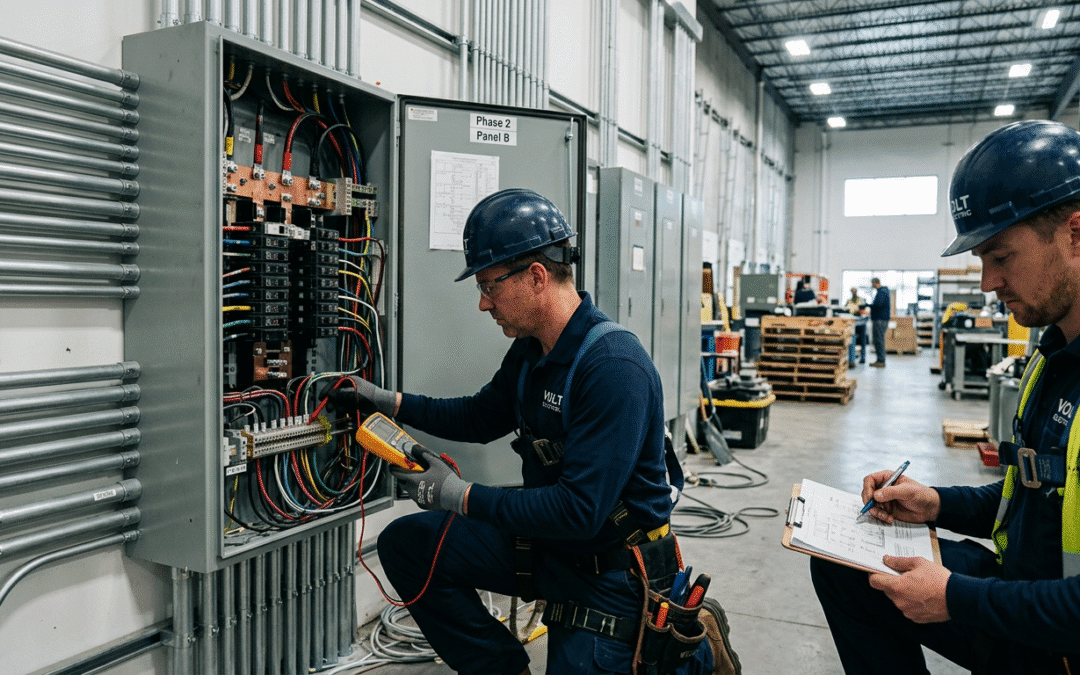
Code changes every few years, and small mistakes can create serious hazards. A licensed electrician stays current on the latest residential electrical code requirements and knows exactly how your local jurisdiction enforces them.
Partnering with experienced residential electrical services means your wiring is installed correctly the first time, with permits pulled and inspections passed. That saves you money, prevents safety risks, and gives you lasting peace of mind.
A professional can also spot problems you might never notice, from overloaded circuits to improper grounding that quietly puts your home at risk.
Keep Your Home Safe and Up to Code
Your home deserves an electrical system that is safe, reliable, and fully compliant. Understanding residential electrical code requirements is the first step, and partnering with a trusted local team is the best way to get there.
KJ Electrical Contracting brings more than 15 years of experience serving homeowners across Southeast Kansas. Ready to make sure your home meets every standard? Contact our team today to schedule your inspection or discuss your next project.